Hazardous Trees
Hazardous Tree Removal in Wilmington, NC for Dead and Leaning Trees
Klimb Pro Expert Tree Care offers hazardous tree removal in Wilmington, NC for dead, leaning and storm-weakened trees near homes. Call (910) 540-5249, 24/7.
Expert Tree Care
Dangerous Tree Removal Starts With the Warning Signs
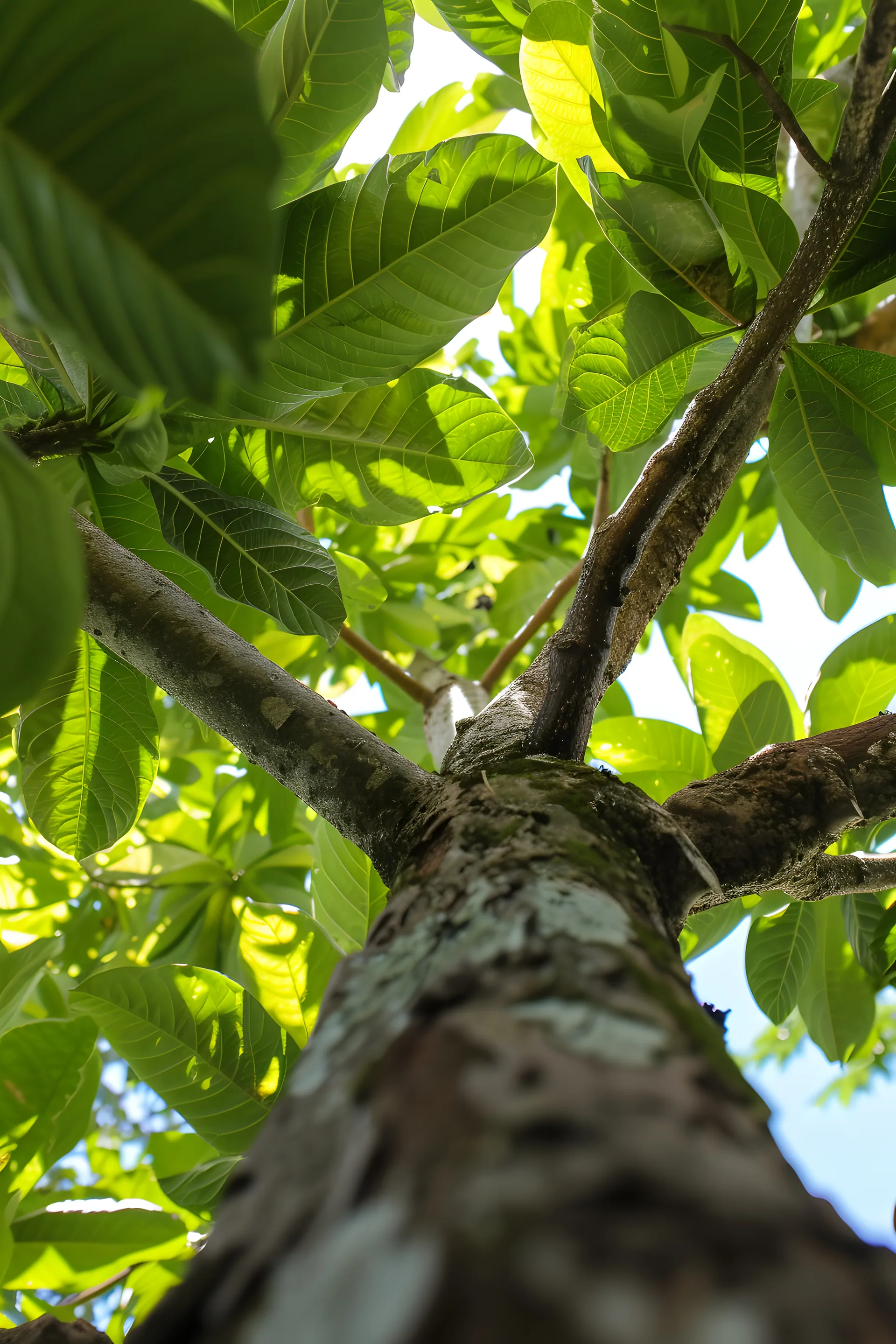
Hazardous tree removal in Wilmington, NC deals with trees that could fail and hit something that matters: a roof, a car, a fence, a power line or a person. Many give clear warnings first, and catching them early keeps the job planned instead of urgent.
- A tree that leafs out late, or not at all, in the spring
- A lean that is new or getting worse, often with cracked soil at the base
- Splits running down the trunk or through a main fork
- Broken limbs hanging in the canopy after a storm
- Mushrooms, soft wood or bark sloughing off near the roots
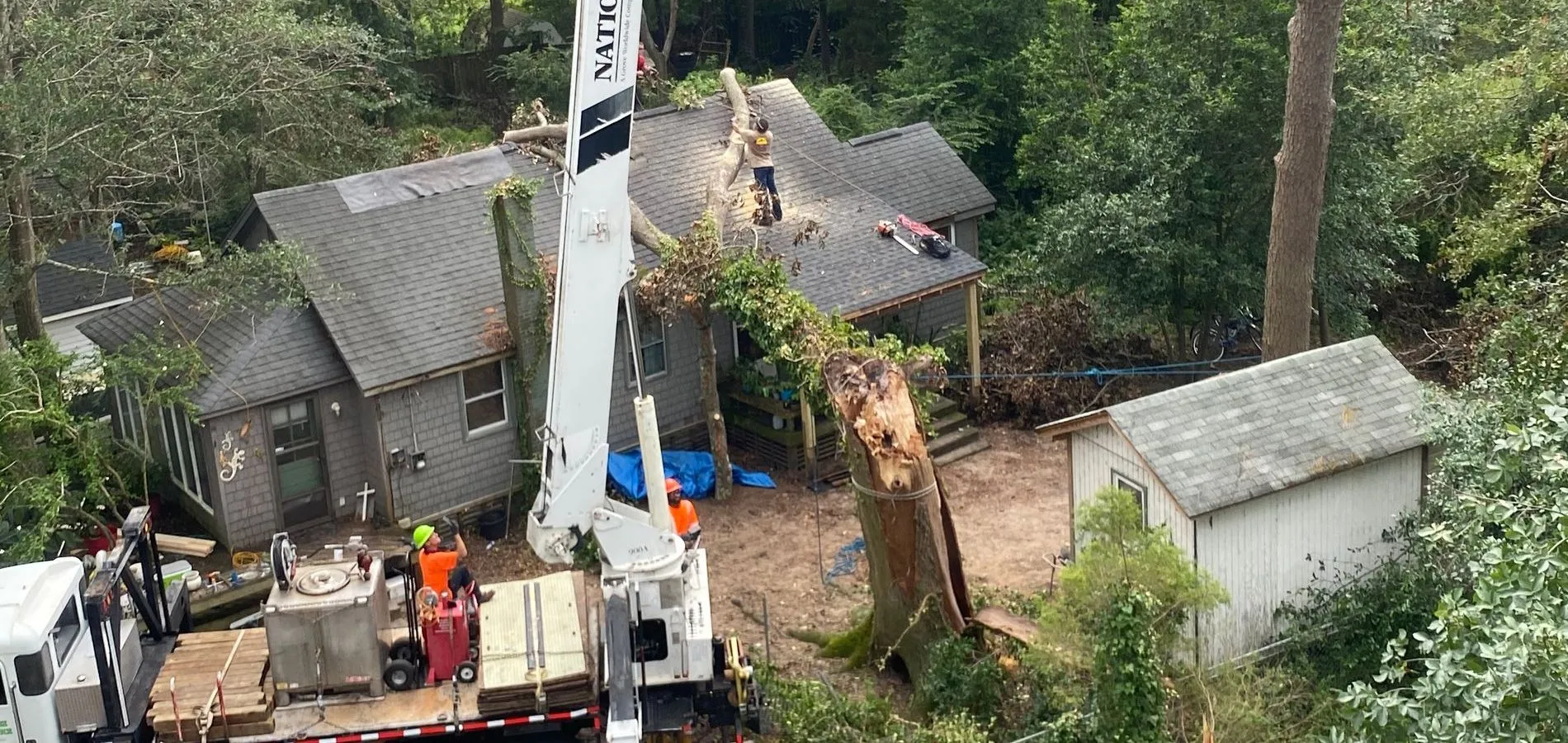
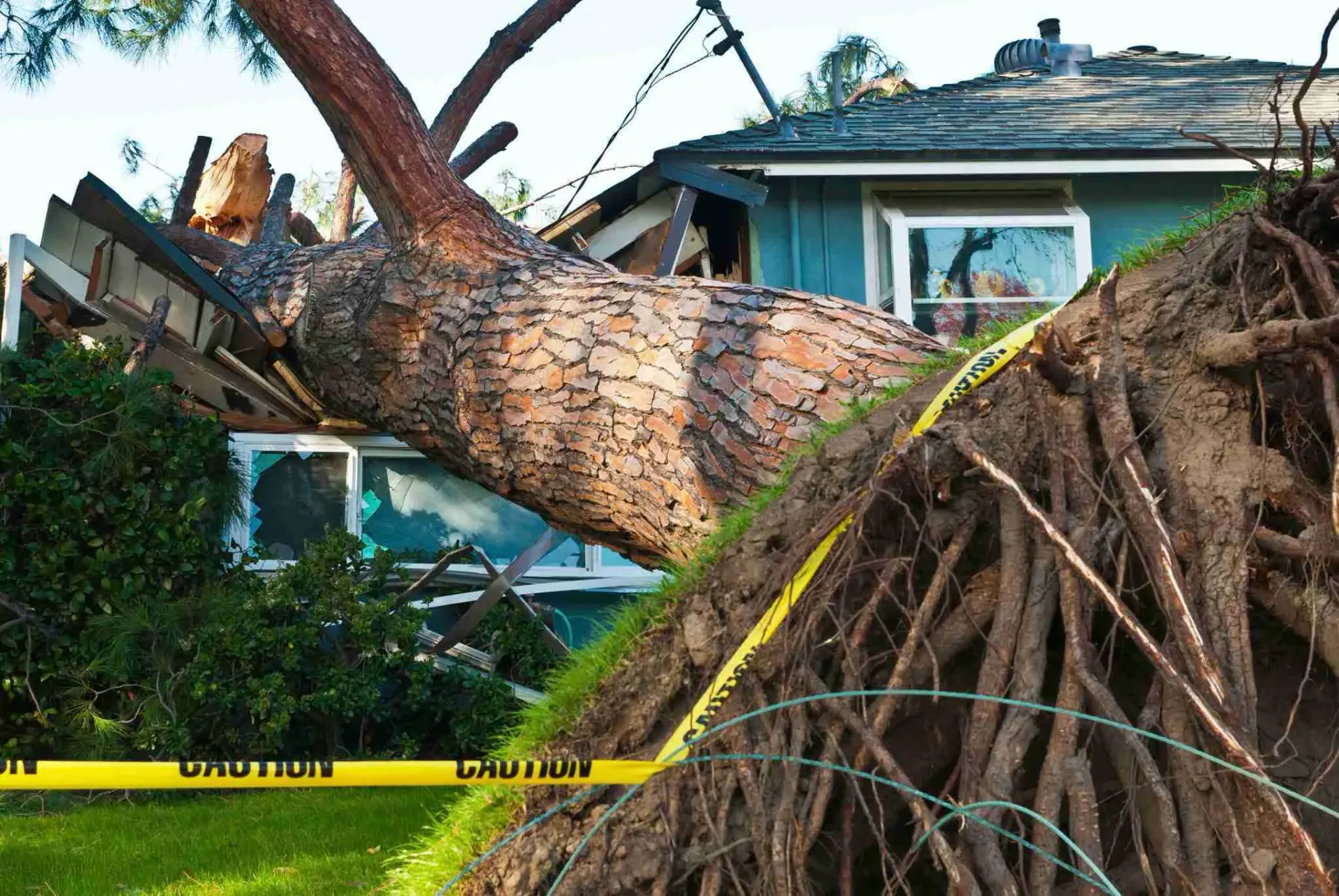
If you see one of these on a tree that could reach your house or driveway, it is time to have it looked at. When a tree has already fallen or is pressing on the roof, call right away for emergency tree service.
How It Works
Our Process for Taking Down a Hazardous Tree Safely
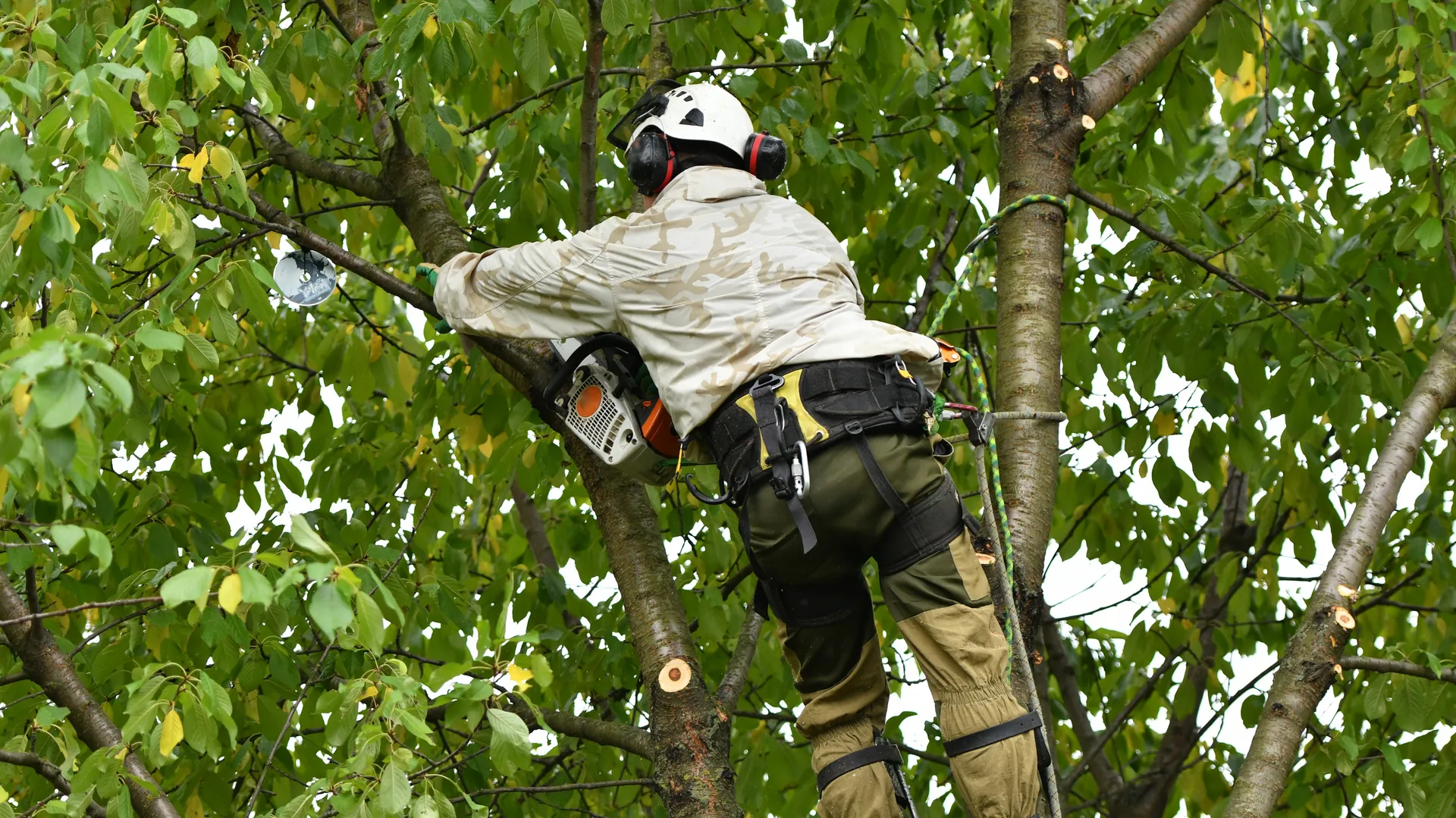
A damaged tree does not behave like a healthy one. Weak wood can snap without warning, so every step is planned around keeping the crew and your property out of harm's way.
-
Risk Assessment
We look at where the tree is weak, which way it wants to fall and what sits in its path. That decides the method and the order of cuts.
-
Permits and Approvals
Rules for removing a dead or dangerous tree can differ from those for a healthy one, depending on your town, county and HOA. We flag where approval may be needed so you can confirm it before work starts.
-
Securing the Area
Cars are moved, people and pets are kept clear, and the drop zone is set up. Nearby structures are protected wherever we can.
-
Controlled Removal and Cleanup
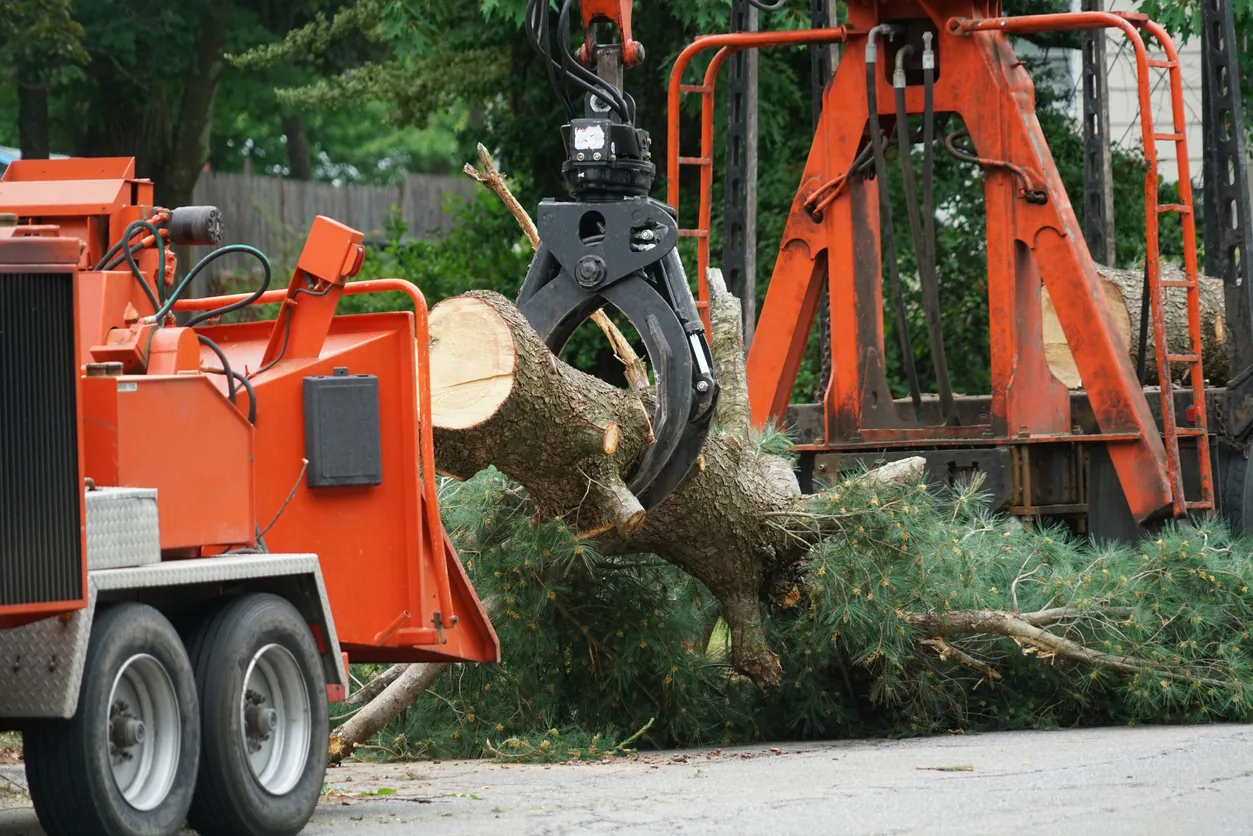
The tree is taken down in small, controlled sections rather than dropped whole. The site is cleaned up once the last piece is on the ground.
Expert Tree Care
Dead Tree Removal Before the Wood Gives Way
A dead tree gets more dangerous every month it stands. As the wood dries and decays, limbs grow brittle and drop without wind, and the roots that once anchored the trunk start to rot. A tree that looks solid from the street may be hollow at the base.
Pines are especially common here. Southern pine beetles, lightning strikes and drought can kill a pine in a single season, and a dead pine tends to shed its top and limbs before the trunk falls. Those pieces can come down hard on roofs and cars.
Dead tree removal is also harder on the crew than removing a living tree, since decayed wood cannot always hold a climber or a rope. That is one reason we plan these jobs carefully and do not leave them to chance. Removing a dead tree before hurricane season gives it one less chance to come through a window.
Expert Tree Care
Leaning Tree Removal Near Homes and Driveways
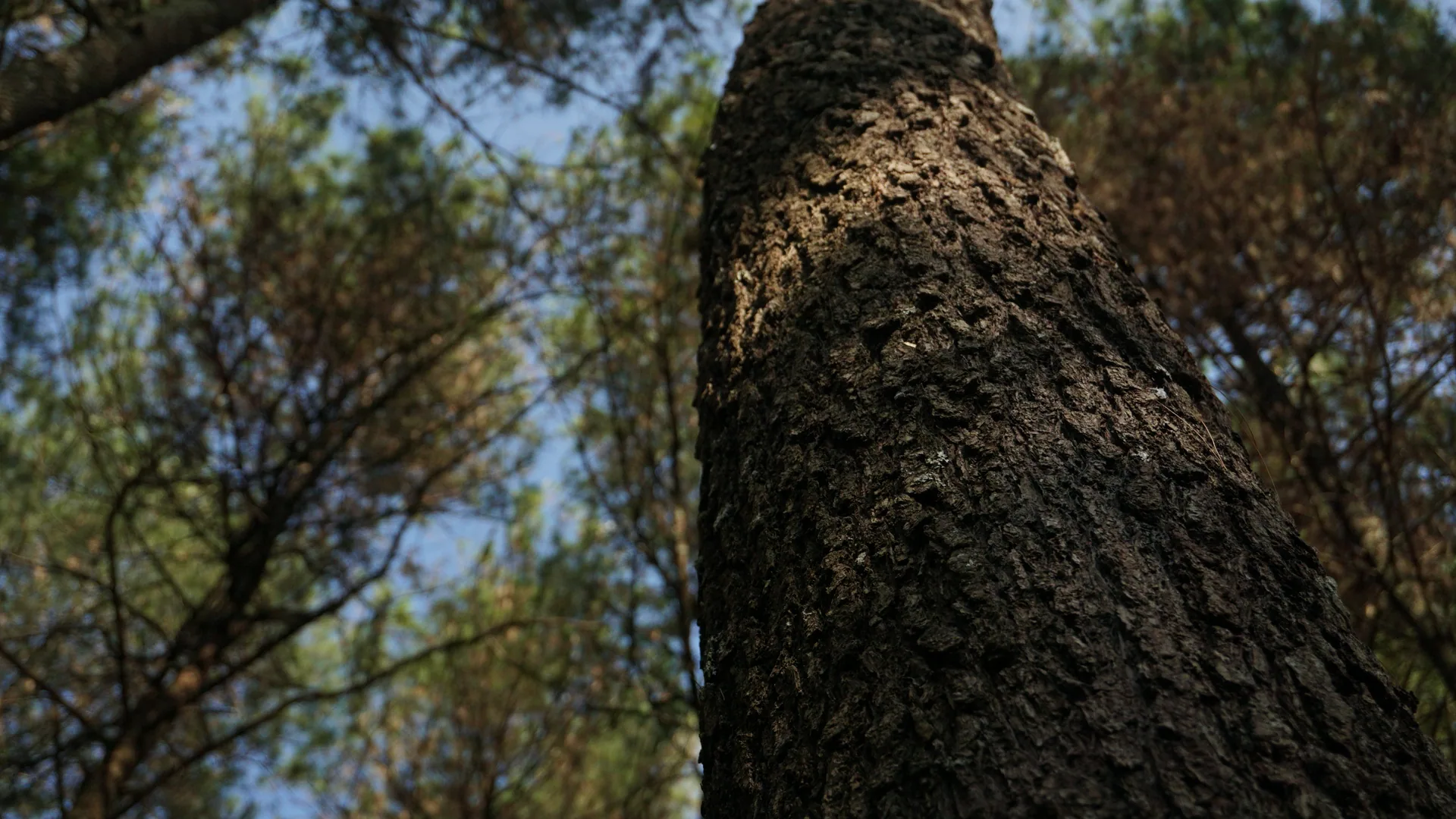
Not every lean is a danger. Many trees grow at an angle toward the light and stay that way for decades. A lean becomes a concern when it is new, when it is getting worse, or when the ground on the opposite side is lifting or cracking. Those are signs the roots are losing their hold.
Saturated, sandy soil makes this more common on the coast. After days of heavy rain, a tall pine or oak with a heavy crown can start to tip, especially after a tropical storm. Hurricane Florence in 2018 left many trees across the Wilmington area leaning or loosened at the roots.
Leaning tree removal near a house takes a careful plan. The weight of the tree is already pulling in one direction, so the crew works against that pull, removing the crown in sections and lowering the heavy pieces away from the home. If the lean points at a power line, the utility has to be involved first.
Expert Tree Care
Trees Near Power Lines and Storm-Weakened Trees
Trees growing into or near power lines are among the most dangerous on any property. Never try to trim or remove a tree that is touching a line, and keep everyone away from it. Contact your electric utility first, because work on the lines themselves belongs to the utility.
Once the utility has made the line safe, or when a tree is near a line without touching it, we can plan its removal. Branches are taken off in a sequence that keeps them clear of the wires and of your home.
Storm-weakened trees deserve the same care. A tree that survived a hurricane with cracked limbs or a split trunk may stand for months and then fail in a much smaller storm. If you have a tree that took a beating, a planned tree removal now is far easier than a cleanup later.
Pricing
What Shapes the Cost of Removing a Hazardous Tree
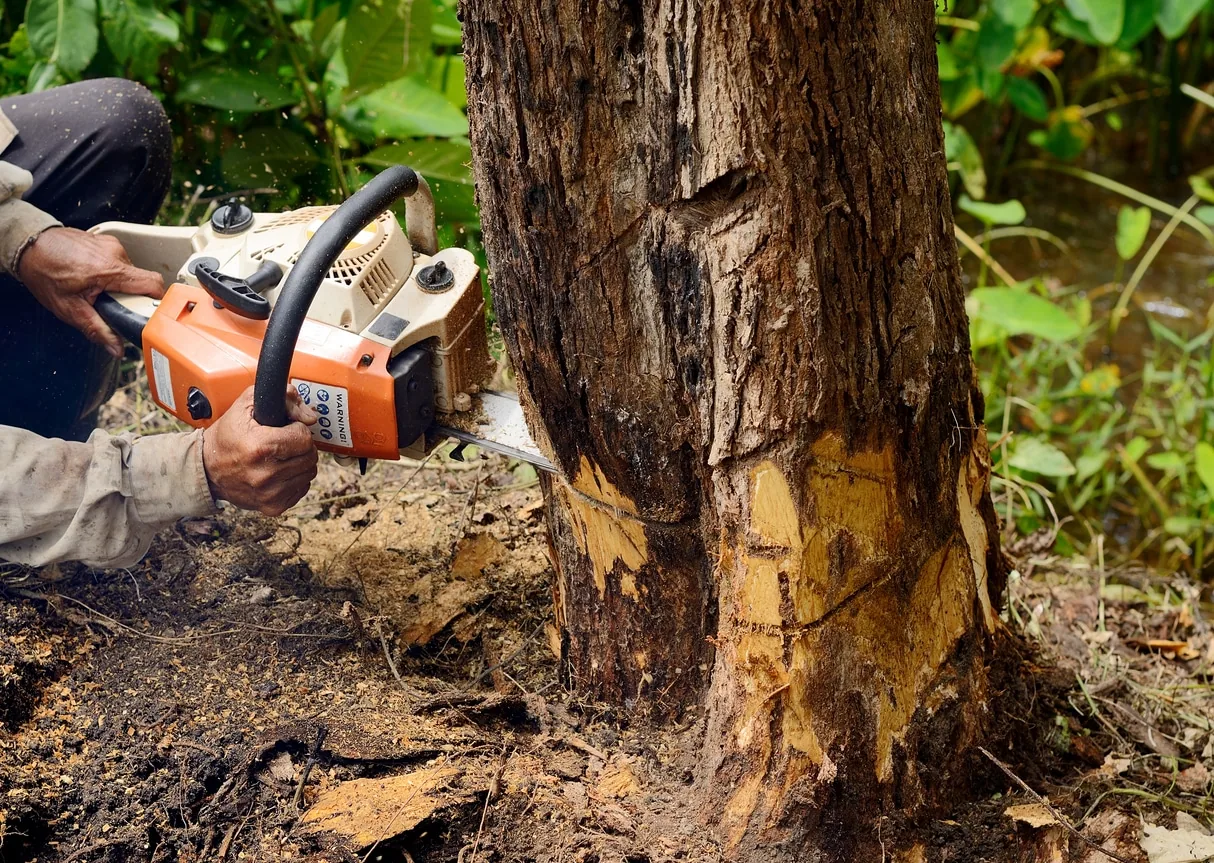
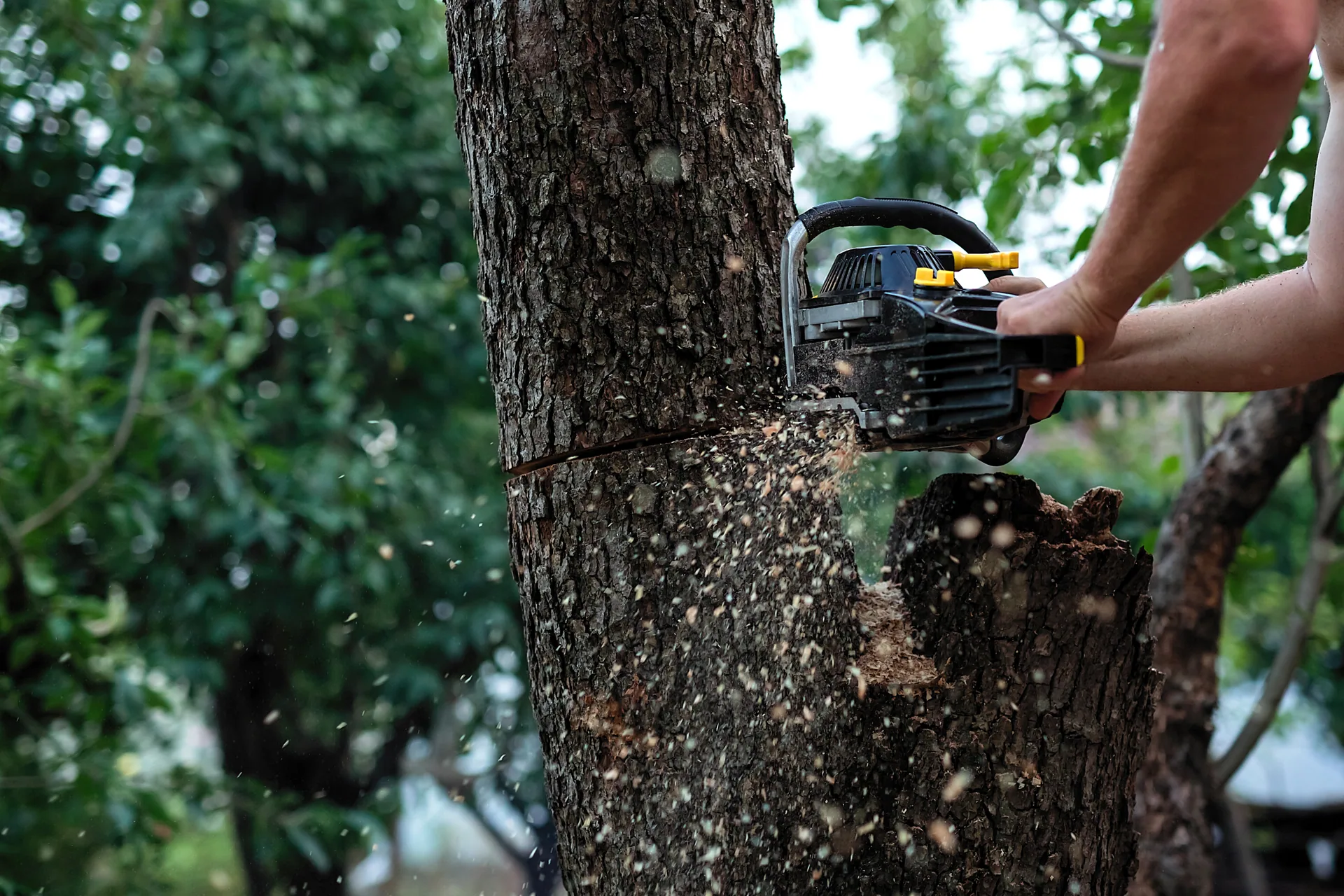
Every estimate is free, and the price is set by the tree in front of us. Hazardous trees often take more time and more rigging than healthy ones, since weak wood has to be handled in smaller pieces.
- The tree's size and how badly it is damaged or decayed
- How close it is to the house, lines, fences or other trees
- How much room the crew has to lower wood safely
- Whether the utility needs to make lines safe first
- Cleanup and stump grinding added to the job
Military members and seniors receive a 10% discount. Your insurance policy may or may not cover a hazardous tree, so check with your insurer about coverage.
Why Choose Us
Why Choose Klimb Pro for Dangerous Trees
A hazardous tree is not the place for guesswork. Klimb Pro Expert Tree Care has provided hazardous tree removal in Wilmington, NC and nearby towns from our base in Castle Hayne since 2019, and all of our work is guaranteed in writing. You know before work begins exactly what will be done.
We answer 24/7, and our 24-hour emergency service is ready when a dangerous tree cannot wait for a regular appointment. When a tree can wait a few days, we still treat it with the care it needs and explain each step of the plan in plain words.
You also get honest advice. If a tree can be made safe by removing a few bad limbs instead of the whole tree, we tell you so, and our tree services cover that work as well.
Service Areas
Hazardous Tree Work Across Coastal North Carolina
Storms reach every corner of the region, and so do we. We handle hazardous tree removal in Wilmington, NC and remove dangerous trees across Wilmington, on Pleasure Island in Carolina Beach, across the river in Town Creek, and up the coast in Hampstead.
Each place has its own risks, and we plan for them. Beach homes face salt wind and sandy soil that loosens roots, while wooded lots inland can hide dead pines among healthy ones until a storm finds them.
Our service area covers Coastal North Carolina within about 30 to 40 miles of Wilmington. If your property is close by and a tree is worrying you, call and we will talk it through.
Common Questions
Hazardous Tree Removal in Wilmington, NC: Your Questions
Sometimes. A tree that has grown at a steady angle for years with firm roots may be fine, and trimming can lighten its crown. A tree whose lean is new or growing, or whose roots are lifting the soil, is usually beyond saving. We look at the base and the roots and give you an honest recommendation.
Yes, often more than people expect. Dead wood dries out and decays, so limbs can drop on a calm day and the trunk can snap or uproot in a moderate wind. The longer a dead tree stands, the weaker it gets and the harder it is to remove safely. Taking it down sooner is usually safer and simpler.
Contact your electric utility first and keep everyone away from the tree and the line. Work on the line itself belongs to the utility. Once the utility has made the line safe, we can remove the tree and clean up the wood. Never try to cut a limb that is resting on a wire yourself.
Look for mushrooms or fungus at the base, soft or crumbling wood, cavities in the trunk and bark that falls away easily. Woodpecker activity and carpenter ants can also point to decay. Some trees hide rot well, so if a large tree near your home shows any of these signs, have it looked at before storm season.
Coverage depends on your policy and on what happened. Some policies cover removal after a tree damages a covered structure, while a dead tree that has not fallen may not be covered. Your insurance agent is the best source for an answer. We can describe the tree's condition so you have details to share with them.
Act Before It Falls
Get a Dangerous Tree Off Your Property
A dead or leaning tree will not fix itself, and the next storm could decide the timing for you. Call Klimb Pro Expert Tree Care any hour of the day to talk through the tree that has you worried and set up a free estimate.